本文へスキップ
Skip to content

学際情報学

問い

一つの技術を、分野の壁を越えて、現場の問いに応える形へ橋渡しできるか。

情報学を起点に、地域社会・行政、スポーツ科学、生活科学など多様な分野と横断的に結びつけ、現場の課題に応える研究を志向しています。共通項は「実世界に眠るデータや信号を、専門外の人にも届く形へ変換する」ことです。
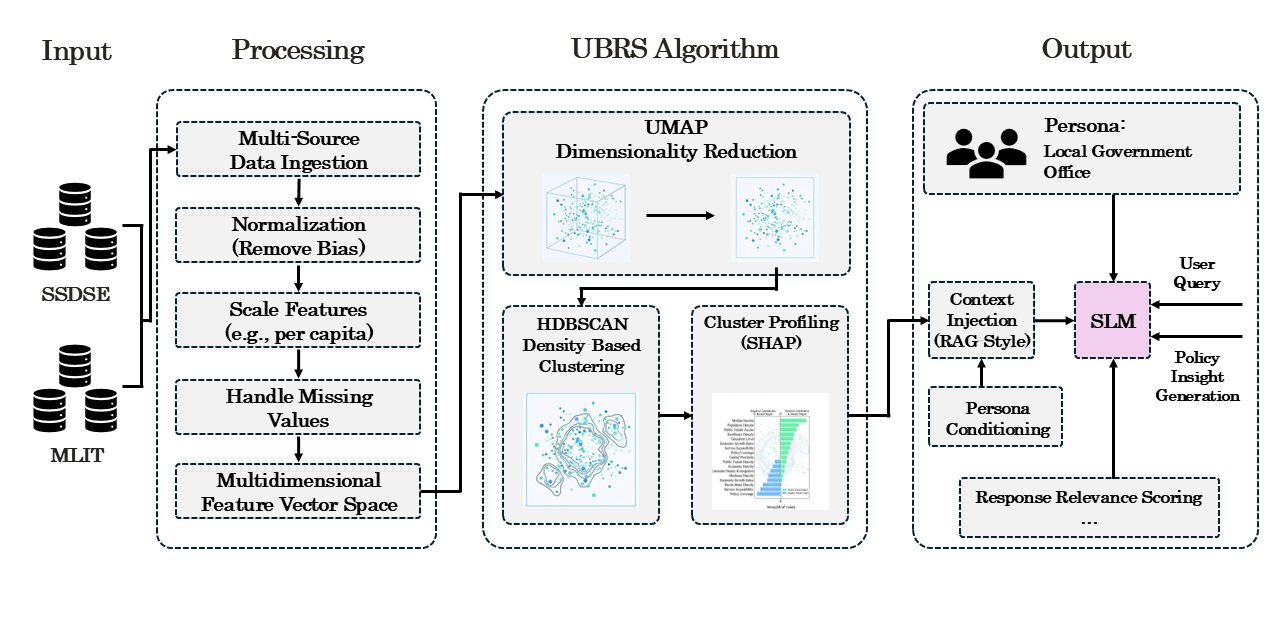
学際情報学の具体例。自治体オープンデータと SLM を組み合わせた UBRS アルゴリズムのアーキテクチャ図
Fig. 学際情報学の具体例。自治体オープンデータと SLM を組み合わせた UBRS アルゴリズムのアーキテクチャ図

このテーマについて

「学際情報学」は、低照度画像強調・スポーツ情報学といった個別テーマの底に流れる、私の共通の関心を表すものです。情報学(画像処理・機械学習・データ解析)を単独の技術として完結させるのではなく、地域社会・行政、スポーツ科学、生活科学といった他分野の現場へ橋渡しすることを重視しています。共通するのは、実世界に眠るデータや信号を、専門外の人にも届く形へ変換するという姿勢です。

アプローチ

  • 現場の問いを起点にする: 技術ありきではなく、その分野の人が実際に抱える問いから出発します。
  • データから示唆へ: 計測・前処理・解析を経て、人が判断に使える形(スコア・助言・可視化)まで一貫して設計します。
  • 軽量で実装できること: 特別な計算資源を前提とせず、現場で動かせる規模にこだわります。

具体例: 自治体オープンデータ × 小規模言語モデル(SLM)

行政が保有・公開するデータ(SSDSE(教育用標準データセット)や国土交通省(MLIT)の公開データなど)は膨大に存在しますが、自治体の現場担当者が直接活用するには専門的な前処理と分析が必要です。これを SLM と組み合わせ、現場の問いに対して根拠を伴う示唆を返す仕組み(UBRS)を検討しています。現在は瀬戸内・上島町のデータを題材としたケーススタディを準備中で、手法および成果は論文として発表され次第、本ページで詳しくご紹介します。

今後の展開

低照度画像強調・スポーツ情報学の研究で培った「現場で動く実装」の知見を軸に、対象とする分野を横断的に広げていきます。

About this theme

Interdisciplinary informatics names the shared interest that runs beneath my more specific themes — low-light image enhancement and sports informatics. Rather than treating informatics (image processing, machine learning, data analysis) as a self-contained technical end, I work to bridge it into the field practice of other disciplines: local government and community, sports science, the science of everyday life. The common stance is to turn the data and signals latent in the real world into forms that non-specialists can actually use.

Approach

  • Start from the field’s questions. I begin from the problems people in a discipline genuinely face, not from a technology looking for a use.
  • From data to insight. I design the whole path — measurement, preprocessing, analysis — through to a form a person can act on: a score, advice, a visualization.
  • Lightweight and deployable. I keep the scale to something that runs in the field, without assuming special compute.

An example: government open data × small language models (SLMs)

The Japanese government holds and publishes a vast amount of data — the SSDSE (Standard Statistical Data Set for Education), the open datasets of the Ministry of Land, Infrastructure, Transport and Tourism (MLIT), and more — yet applying it directly still requires specialist preprocessing and analysis for officials on the ground. Combining this data with SLMs, I am exploring a system (UBRS) that returns evidence-grounded insights to the practical questions municipal officials actually face. A case study on data from Kamijima Town in the Seto Inland Sea is in preparation; methods and results will be detailed here once the work is published as a paper.

Future work

Building on the “implementations that run in the field” developed through my low-light and sports-informatics work, I plan to extend the range of disciplines this research reaches.

キーワード

  • Interdisciplinary
  • Informatics
  • Open Data
  • Small Language Model
  • Civic Tech

Interdisciplinary Informatics

The question

Can a single technique be carried across disciplinary lines to answer the questions a field actually has?

Starting from informatics and reaching across fields — local government and community, sports science, everyday life — to address problems as they appear in the field. The common thread is turning the data and signals latent in the real world into forms that non-specialists can actually use.

An example of interdisciplinary informatics — the architecture of the UBRS algorithm, which combines government open data with small language models
Fig. An example of interdisciplinary informatics — the architecture of the UBRS algorithm, which combines government open data with small language models

このテーマについて

「学際情報学」は、低照度画像強調・スポーツ情報学といった個別テーマの底に流れる、私の共通の関心を表すものです。情報学(画像処理・機械学習・データ解析)を単独の技術として完結させるのではなく、地域社会・行政、スポーツ科学、生活科学といった他分野の現場へ橋渡しすることを重視しています。共通するのは、実世界に眠るデータや信号を、専門外の人にも届く形へ変換するという姿勢です。

アプローチ

  • 現場の問いを起点にする: 技術ありきではなく、その分野の人が実際に抱える問いから出発します。
  • データから示唆へ: 計測・前処理・解析を経て、人が判断に使える形(スコア・助言・可視化)まで一貫して設計します。
  • 軽量で実装できること: 特別な計算資源を前提とせず、現場で動かせる規模にこだわります。

具体例: 自治体オープンデータ × 小規模言語モデル(SLM)

行政が保有・公開するデータ(SSDSE(教育用標準データセット)や国土交通省(MLIT)の公開データなど)は膨大に存在しますが、自治体の現場担当者が直接活用するには専門的な前処理と分析が必要です。これを SLM と組み合わせ、現場の問いに対して根拠を伴う示唆を返す仕組み(UBRS)を検討しています。現在は瀬戸内・上島町のデータを題材としたケーススタディを準備中で、手法および成果は論文として発表され次第、本ページで詳しくご紹介します。

今後の展開

低照度画像強調・スポーツ情報学の研究で培った「現場で動く実装」の知見を軸に、対象とする分野を横断的に広げていきます。

About this theme

Interdisciplinary informatics names the shared interest that runs beneath my more specific themes — low-light image enhancement and sports informatics. Rather than treating informatics (image processing, machine learning, data analysis) as a self-contained technical end, I work to bridge it into the field practice of other disciplines: local government and community, sports science, the science of everyday life. The common stance is to turn the data and signals latent in the real world into forms that non-specialists can actually use.

Approach

  • Start from the field’s questions. I begin from the problems people in a discipline genuinely face, not from a technology looking for a use.
  • From data to insight. I design the whole path — measurement, preprocessing, analysis — through to a form a person can act on: a score, advice, a visualization.
  • Lightweight and deployable. I keep the scale to something that runs in the field, without assuming special compute.

An example: government open data × small language models (SLMs)

The Japanese government holds and publishes a vast amount of data — the SSDSE (Standard Statistical Data Set for Education), the open datasets of the Ministry of Land, Infrastructure, Transport and Tourism (MLIT), and more — yet applying it directly still requires specialist preprocessing and analysis for officials on the ground. Combining this data with SLMs, I am exploring a system (UBRS) that returns evidence-grounded insights to the practical questions municipal officials actually face. A case study on data from Kamijima Town in the Seto Inland Sea is in preparation; methods and results will be detailed here once the work is published as a paper.

Future work

Building on the “implementations that run in the field” developed through my low-light and sports-informatics work, I plan to extend the range of disciplines this research reaches.

Keywords

  • Interdisciplinary
  • Informatics
  • Open Data
  • Small Language Model
  • Civic Tech

最終更新:

Last updated: